The molecular basis for the observed mitochondrial dysfunction in hyperglycemia was demonstrated by a group of researchers in John Hopkins University. The researchers by compared the mitochondria from hearts of diabetic and healthy rats.
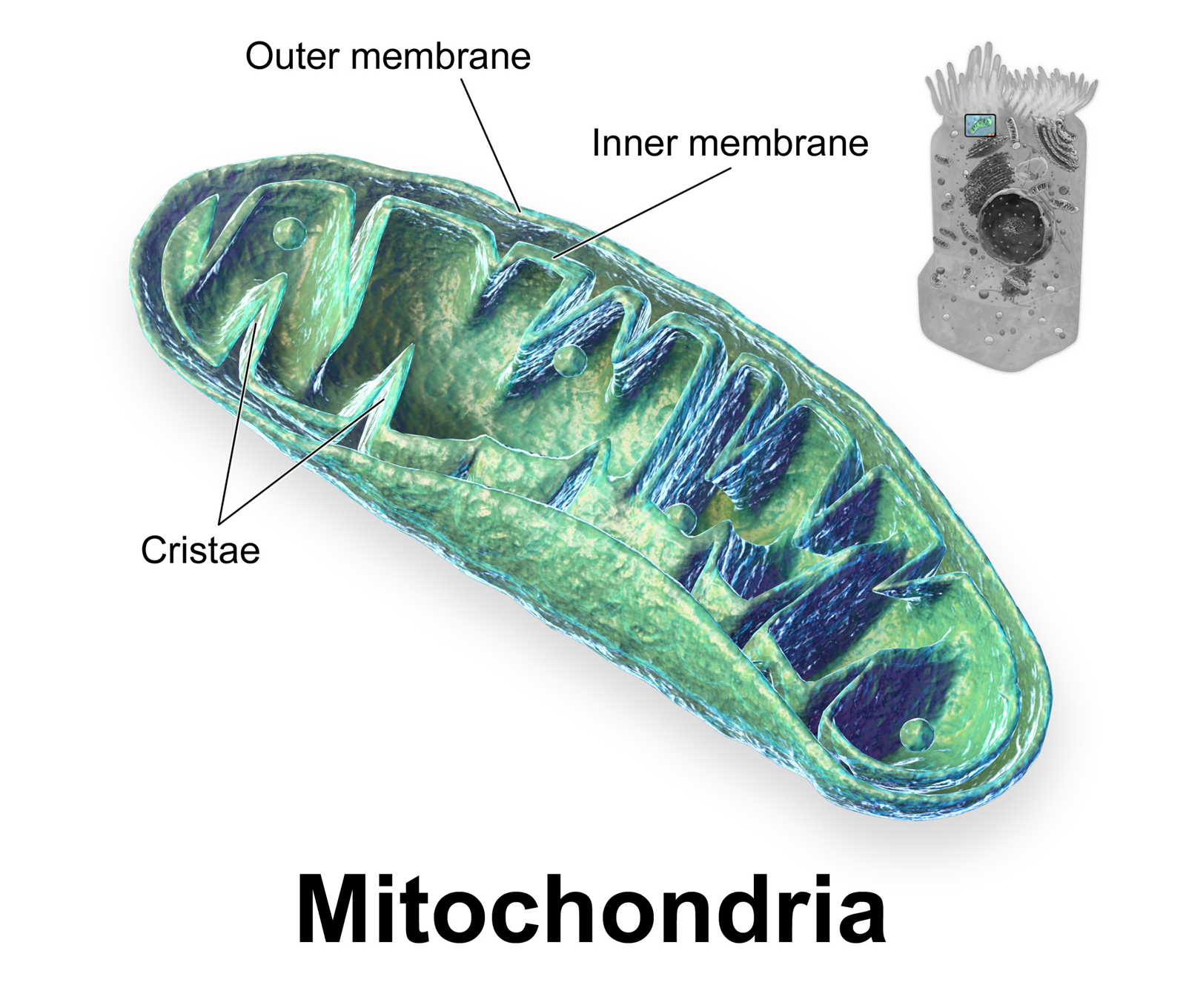
Difference in the amounts of two key proteins present in the diseased and healthy hearts.
- Diabetic hearts contained higher levels of an enzyme called O-linked N-acetylglucosamine (O-GlcNAc) transferase
- The enzyme catalyzes the attachment of the molecule O-GlcNAc to proteins through a process called O-GlcNAcylation
- Also there was reduced levels of the enzyme that reverses this process, O-GlcNAcase.
- The enzymes are responsible for regulating the levels of O-GlcNAc-modified proteins in the cell, which are important for numerous cellular functions related to nutrient and energy processing.
Images of the mitochondria created using transmission electron microscopy revealed
- O-GlcNAc transferase from diabetic hearts was found inside the mitochondria in a space known as the matrix.
- In healthy hearts, the enzyme was found localized to the inner membrane that surrounds the matrix.
